
BIOGRAPHY
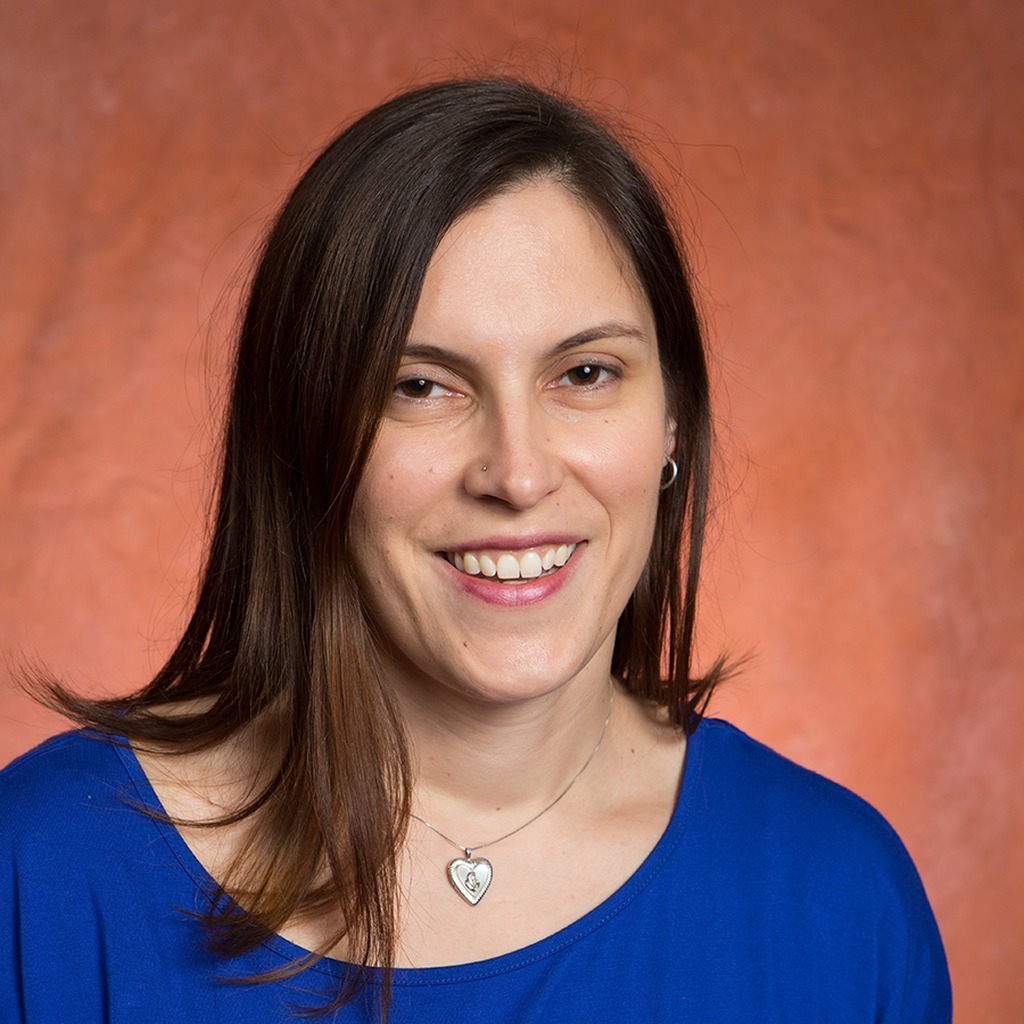
Born and raised in Ellwood City, Pennsylvania, Dr. Graham grew up as the eldest of four siblings in a conservative, deeply religious household. While her environment didn’t explicitly encourage scientific exploration, her natural curiosity and love of reading hinted at the analytical mind she would come to develop. A ninth-grade biology class taught by a dedicated and exacting teacher, Mr. Frederick, first awakened her passion for science. Pinning butterfly specimens with scientific precision and poring through encyclopedias in a pre-digital era laid the groundwork for a life shaped by questions and pursuit.
Early Roots in Curiosity
Born and raised in Ellwood City, Pennsylvania, Dr. Graham grew up as the eldest of four siblings in a conservative, deeply religious household. While her environment didn’t explicitly encourage scientific exploration, her natural curiosity and love of reading hinted at the analytical mind she would come to develop. A ninth-grade biology class taught by a dedicated and exacting teacher, Mr. Frederick, first awakened her passion for science. Pinning butterfly specimens with scientific precision and poring through encyclopedias in a pre-digital era laid the groundwork for a life shaped by questions and pursuit.
A Fork in the Road
Like many aspiring scientists, Devon initially set out on the path to medical school. Enrolled at Allegheny College, she followed the standard pre-med route until one quiet New Year’s Eve during her junior year. A jarring realization hit her as she filled out the medical school applications: she didn’t want to be a doctor. The clarity was sudden, and the decision to step off that path was courageous. She didn’t yet know where the Road would lead, only that it had to feel more authentic.
“I’m grateful. This support gave me the momentum to chase questions I wouldn’t have dared to otherwise”
– Devon Graham, PhD
The Road to Neurobehavioral Science
After college, Devon worked as a lab technician at the University of Maryland in Baltimore, initially hoping to transition into forensic science. But a year and a half working in a neuroscience lab confirmed something else: she disliked brains, or so she thought.
Ironically, it was that same exposure that nudged her toward a graduate program in toxicology, where she discovered a lifelong interest in how drugs, especially those of abuse, affect the brain. She completed her graduate work at the National Institute on Drug Abuse, investigating methamphetamine tolerance. What fascinated her wasn’t personal experience but the intersection of society and biology. Meth use was exploding nationally at the time, and she found herself drawn to the broader implications: What are the long-term effects? How do substances reshape behavior?
Behavioral Science Becomes Her Compass
Postdoctoral training at Cincinnati Children’s Hospital focused on prenatal drug exposure and its behavioral consequences, a field known as behavioral teratology. It was here that Devon’s passion for behavioral neuroscience crystallized. A second postdoc at Vanderbilt allowed her to continue that trajectory while also launching a new one: a collaboration on GLP-1 receptor agonists—a class of drugs originally developed for diabetes treatment.
These drugs showed unexpected promise in reducing food reward. Because food and drug reward share many neural pathways, she wondered: Could these compounds affect addiction? Could they modulate mood?
Motherhood and Mental Health
At this professional inflection point, life brought new perspectives. She became a mother, and a deeper awareness of emotional resilience came. Raised to suppress emotion, she saw firsthand how mood shaped her children’s lives-and her own. Her personal experience with depression enriched her scientific inquiries into mood disorders. This led her to explore the nuanced effects of GLP-1 drugs on anxiety and depression.
Her research soon revealed that activating GLP-1 receptors in different brain regions triggered divergent effects: activation in the amygdala induced anxiety. In contrast, activation in the hippocampus produced antidepressant-like effects. That paradox fascinated her and laid the groundwork for her current research.
A New Frontier: Alzheimer’s, Depression, and GLP-1
With support from the Toffler Trust, Devon is now applying her understanding of GLP-1 pharmacology to Alzheimer’s disease-a field she hadn’t formally studied before but had long felt drawn to. Her current project focuses on tirzepatide, a dual GLP-1/GIP receptor agonist marketed as Mounjaro. This compound may prove more effective than earlier GLP-1 drugs in treating cognitive and mood impairments.
Her hypothesis is bold: that pretreatment with tirzepatide during a mouse’s adolescent period (analogous to human late teens to early adulthood) could mitigate both the cognitive deficits and mood disturbances associated with Alzheimer’s. She’s using the 5xFAD mouse model, a standard in Alzheimer’s research due to its ability to mimic key aspects of the disease, and conducting a series of behavioral tests focused on mood and spatial memory. A custom “mood battery” of assays-including anxiety and depression-like behaviors-guides this work.
A Broader Vision: Fentanyl, Myelin, and Social Behavior
Parallel to her Alzheimer’s research, Devon is also exploring the impact of prenatal fentanyl exposure on brain development. Intrigued by how low doses-more akin to real-world exposure-might affect offspring, she discovered surprising social dominance and preference deficits. Further analysis revealed altered gene expression associated with myelin, the brain’s insulation for fast signal transmission.
These findings open up yet another line of inquiry: Could prenatal fentanyl alter neural connectivity? Could co-treatment with myelin-enhancing compounds reverse these effects?
What Drives Her
Whether investigating depression as an early symptom of Alzheimer’s or charting the behavioral impact of synthetic opioids, Devon approaches science with a rare blend of humility and rigor. She embraces the slow, often frustrating pace of discovery, driven by her deep passion for her work. “You can do so much in a year,” she says, “and only have one line to show for it on your CV. That’s science.”
What motivates her is the possibility of filling in the blanks in human understanding of behaviors, disorders, treatments, and timelines. She’s especially drawn to the “when” of brain disease: When do these shifts begin? When can we intervene? When does resilience diverge from vulnerability? Understanding the timing of these events could revolutionize our approach to brain diseases.
Looking Ahead
Over the next five to ten years, she hopes to deepen the mechanistic understanding of her findings and expand the translational potential of her work. She imagines a lab that tackles difficult questions about brain development, mood, cognition, and drug exposure, especially in marginalized and understudied populations. Her vision for the future is one of hope and potential.
The Toffler Scholar award didn’t just fund an experiment; it emboldened a scientist to venture into new terrain. It gave her a foothold in neurodegeneration research, connected her to a broader network, and encouraged the kind of high-risk, high-reward science that involves taking significant chances in pursuit of groundbreaking discoveries. This kind of science transforms fields and pushes the boundaries of human knowledge.
“I’m grateful,” she says. “This support gave me the momentum to chase questions I wouldn’t have dared to otherwise.”
Her path, like her science, is anything but linear. But with each twist-whether it’s GLP-1, fentanyl, or Alzheimer’s-she brings fierce curiosity, a love of behavior, and a vision for better treatments and better lives.