
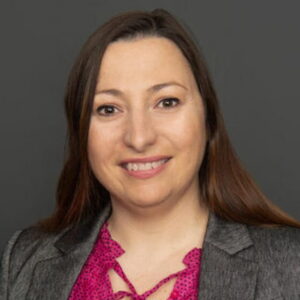
At the Karen Toffler Charitable Trust, we proudly support scholars whose leadership shapes the future of brain health. Today, we celebrate Dr. Silvia Fossati, a KTCT 2021 Toffler Scholar, whose recent accomplishments demonstrate scientific rigor, national recognition, and transformative institutional leadership.
Dr. Fossati serves as Director of the Alzheimer’s Center at Temple University’s Lewis Katz School of Medicine. This milestone reflects her research excellence and her ability to guide multidisciplinary teams during a pivotal era in dementia research. She leads the Center at a time when Alzheimer’s science is expanding beyond traditional frameworks to incorporate vascular, inflammatory, and systemic drivers of disease. Additionally, she was recently appointed as the “Scott Richards North Star Foundation and Stop Alzheimer’s Now Chair in Alzheimer’s Research” at Temple University.
Advancing Neurovascular Understanding in Alzheimer’s Disease
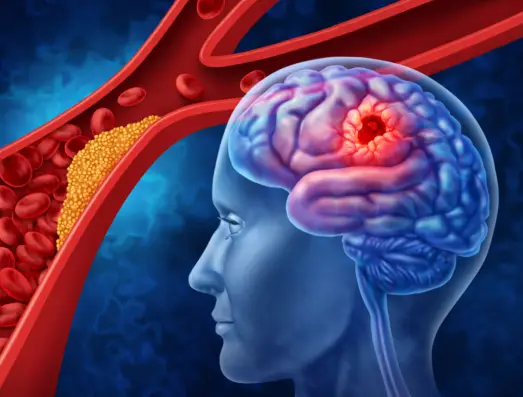
Dr. Fossati leads research that investigates how vascular dysfunction contributes to neurodegeneration and dementia. In 2025, her team published findings showing that toxic, aggregated forms of tau protein weaken the brain’s vascular defenses and disrupt the blood–brain barrier in Alzheimer’s disease. National outlets, including Medical Xpress, highlighted the study and underscored the growing recognition of neurovascular contributions to dementia progression.
Her work advances a more integrated understanding of Alzheimer’s. She frames the brain as a dynamic system in which vascular health plays a central role in cognitive resilience and decline.
National Media Recognition
Major national publications seek Dr. Fossati’s expertise. She recently spoke with The New York Times about the many forms of dementia beyond Alzheimer’s disease, particularly focusing on vascular dementia. She helped readers understand the complexity of cognitive disorders. She was featured multiple times on the Washington Post in 2024 for her expertise and work on the interaction of cardiovascular risk factors, such as hypertension, and the development of cognitive impairment. She also provided expert commentary to Health.com on research examining dietary patterns and dementia risk.
Through these contributions, she translates complex science into accessible insight for patients, families, and the broader public.
Building the Next Generation of Toffler Scholars
Dr. Fossati strengthens the field not only through her own research but also through mentorship. Several investigators who trained in her laboratory have gone on to receive KTCT Toffler Scholar awards, including Dr. Andrea Elia, Nicole Lemon, Dr. Elisa Canepa, Ashley Carey, Tetyana Buzhdygan, and Micaelly Alves.
Their selection as Toffler Scholars reflects their scientific promise and the rigorous training environment she has built. She fosters independence, interdisciplinary thinking, and translational ambition in her trainees.
Temple University has recognized Dr. Fossati with institutional mentorship awards that honor her commitment to developing early-career scientists. Her mentorship creates continuity across generations of investigators and strengthens the broader neuroscience ecosystem.
Why This Matters
Dr. Fossati exemplifies the systems-level leadership that KTCT seeks to support. She connects molecular mechanisms with vascular biology, translational research, diagnostic biomarker discovery, and public engagement. She builds durable scientific communities that extend beyond a single laboratory.
As a 2021 Toffler Scholar and now Director of a major Alzheimer’s research center, Dr. Fossati demonstrates how early philanthropic support can help catalyze long-term institutional impact.
We celebrate her leadership, national recognition, and continued mentorship of emerging Toffler Scholars with great pride.
Congratulations, Silvia. We look forward to your continued leadership and to the advances your work will bring to patients, families, and the future of brain health.